Ajinomoto Monosodium Glutamate (MSG): Uses, Benefits and Umami Explained
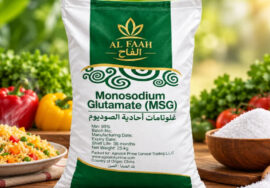
Ajinomoto monosodium glutamate, commonly associated with the well-known AJI-NO-MOTO® seasoning, is widely used to add a rich, savory taste to food. Monosodium glutamate (MSG) is a flavor enhancer valued in home kitchens, restaurants, catering operations and food manufacturing because it strengthens the umami character of many dishes.
From soups and sauces to meat dishes, vegetables, noodles and prepared foods, MSG has become an important seasoning ingredient in cuisines around the world. Understanding what monosodium glutamate is, how it works and how it is produced can help consumers and food businesses use it appropriately.
What Is Ajinomoto Monosodium Glutamate?
Monosodium glutamate, or MSG, is the sodium salt of glutamic acid. Glutamic acid is an amino acid that occurs naturally in the human body and in many familiar foods. Tomatoes, cheeses, meat, fish and other foods naturally contain glutamate.
AJI-NO-MOTO® is a well-known MSG seasoning developed by the Ajinomoto Group. Its history dates to the early twentieth century, when Japanese scientist Dr. Kikunae Ikeda studied the distinctive savory taste of kombu broth. He identified glutamate as responsible for this taste and called the taste umami. Commercial production of MSG followed soon afterward.
What Is Umami?
Umami is recognized as one of the five basic tastes, alongside sweet, sour, salty and bitter. The word is commonly used to describe a deep, savory and satisfying taste. Foods naturally rich in glutamate, including tomatoes, mushrooms, aged cheeses and certain meats, can provide noticeable umami characteristics.
Ajinomoto monosodium glutamate provides glutamate in a convenient seasoning form. When added appropriately during food preparation, MSG can enhance existing flavors rather than simply introducing a separate strong flavor of its own.
How Is Monosodium Glutamate Made?
Modern MSG production commonly uses fermentation. According to information published by the U.S. Food and Drug Administration, MSG can be produced through fermentation using ingredients such as starch, sugar beets, sugar cane or molasses. Fermentation is also widely used in the production of familiar foods such as yogurt and vinegar.
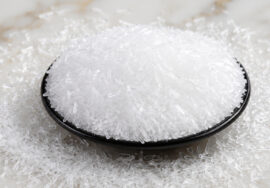
During production, microorganisms help convert sugars into glutamic acid. The resulting material is processed, purified and crystallized to produce monosodium glutamate. The finished product typically appears as white crystals that dissolve easily during food preparation.
How Does Ajinomoto MSG Enhance Food Flavor?
MSG activates taste receptors associated with umami. This savory sensation can complement other flavors in a recipe and create a fuller overall taste experience. This is one reason monosodium glutamate seasoning is commonly associated with soups, stocks, sauces, noodles, rice dishes and savory prepared foods.
MSG does not replace good ingredients or proper cooking techniques. Instead, it can be used as part of a balanced seasoning approach to highlight and strengthen the natural savory qualities already present in food.
Common Uses of Monosodium Glutamate
Ajinomoto monosodium glutamate can be used across many types of cooking and professional food preparation. It is particularly useful in savory dishes where a deeper umami profile is desired.
Restaurants and professional kitchens may use MSG in soups, broths, gravies, marinades, fried rice, noodles, meat recipes, seafood dishes and vegetable preparations. Food manufacturers may also use monosodium glutamate in suitable formulations for sauces, seasonings, snacks and other processed food products.
Ajinomoto MSG for Restaurants and Catering Businesses
Consistency is especially important for restaurants, hotels and catering companies. Customers expect a dish to deliver a similar taste every time they order it. Standardized recipes combined with accurately measured seasonings can help professional kitchens maintain consistent results.
MSG can form part of such a standardized seasoning system. Professional chefs and food-service operators can determine the appropriate quantity for each recipe through controlled testing rather than adding excessive amounts. The objective is to complement the food’s existing flavors while maintaining the intended character of the dish.
MSG for Food Manufacturing
Monosodium glutamate is also relevant to commercial food production because manufacturers frequently need consistent flavor across large production volumes. Depending on the product formulation and applicable food regulations, MSG can be incorporated into seasoning blends, sauces, soups, snacks and other savory products.
Food manufacturers should always follow applicable regulations, formulation standards and labeling requirements in the markets where their products are manufactured and sold.
Is Monosodium Glutamate Safe?
MSG has been extensively evaluated as a food ingredient. The U.S. Food and Drug Administration considers the addition of MSG to foods to be generally recognized as safe, or GRAS. The FDA also notes that studies involving people who identify themselves as sensitive to MSG have not consistently reproduced reactions when MSG and placebo treatments were compared.
The FDA has received reports over the years of symptoms such as headaches and nausea following consumption of foods containing MSG, but it states that a causal connection could not be confirmed. Some sensitive individuals may report short-term symptoms after consuming unusually large quantities without food. As with other seasonings and food ingredients, MSG should be used appropriately as part of an overall balanced diet.
Does MSG Contain Gluten?
Glutamate and gluten are different substances. The similarity between the words can sometimes create confusion. According to the FDA, glutamate or glutamic acid does not mean that a product contains gluten. Anyone managing food allergies, celiac disease or other dietary restrictions should still review the complete ingredient declaration of a particular food product.
MSG and Sodium
One interesting characteristic of monosodium glutamate is its sodium content compared with ordinary table salt. MSG contains substantially less sodium by weight than table salt. Because MSG contributes umami, carefully formulated recipes may use it alongside reduced amounts of salt while maintaining an appealing savory flavor.
This does not mean that MSG is sodium-free. Businesses and consumers concerned about sodium intake should consider the total sodium content of the complete meal or food product rather than focusing on a single ingredient.
How to Use Ajinomoto Monosodium Glutamate
MSG works best when treated as a seasoning rather than as the dominant ingredient in a recipe. A measured amount can be incorporated during cooking and adjusted according to the quantity of food, the other seasonings used and the desired flavor profile.
Because different dishes require different seasoning levels, there is no single amount that is ideal for every recipe. Professional kitchens should establish standardized recipes, while home cooks can begin with a modest quantity and adjust according to taste.
Why Quality Matters When Buying MSG
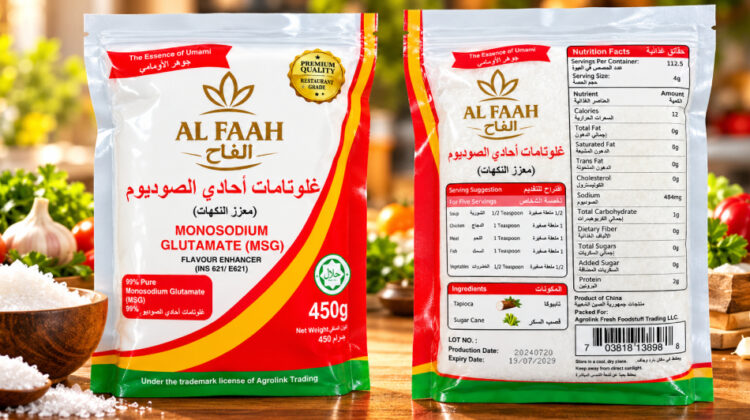
For restaurants, catering companies, wholesalers and food manufacturers, sourcing is an important consideration when purchasing monosodium glutamate. Buyers should evaluate product specifications, packaging integrity, labeling, shelf life, storage requirements and supplier reliability.
Commercial buyers should also ensure that the product and documentation meet the requirements applicable to their market. Reliable sourcing becomes particularly important for businesses purchasing MSG in wholesale quantities or incorporating it into food products intended for resale.
Ajinomoto MSG and the Global Food Industry
Umami is not limited to one cuisine or region. Savory glutamate-rich ingredients occur naturally across culinary traditions, making the concept of umami relevant to foods prepared throughout Asia, the Middle East, Europe, Africa and the Americas.
As restaurants and food manufacturers continue to develop products for diverse consumer preferences, monosodium glutamate remains a practical ingredient for applications where consistent savory flavor is important.
Buying Monosodium Glutamate in the UAE
The UAE has a diverse food-service and trading sector serving restaurants, hotels, catering companies, supermarkets, wholesalers and food manufacturers. Businesses purchasing MSG in Dubai or elsewhere in the UAE should consider pack size, required quantity, product specifications, documentation, storage conditions and delivery requirements when selecting a supplier.
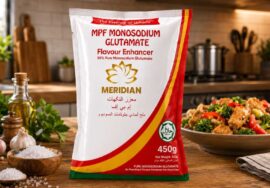
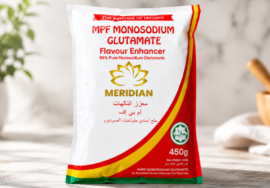
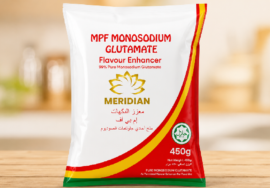
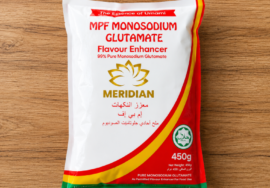
Meridian PF General Trading serves the food trading and distribution sector in the UAE. Businesses looking for monosodium glutamate and other food products can contact Meridian PF General Trading to discuss product availability, wholesale requirements and supply enquiries.
Frequently Asked Questions About Ajinomoto Monosodium Glutamate
What is Ajinomoto MSG?
AJI-NO-MOTO® is an umami seasoning based on monosodium glutamate. MSG is the sodium salt of glutamic acid and is used to enhance savory or umami taste in food.
What does MSG taste like?
MSG primarily contributes umami, a savory taste that complements sweet, sour, salty and bitter tastes. It can help make the overall flavor of savory foods feel fuller and more balanced.
Where is MSG commonly used?
Monosodium glutamate is commonly used in soups, sauces, broths, noodles, rice dishes, meat preparations, vegetables, snacks, seasoning blends and a variety of commercially prepared foods.
Is glutamate naturally present in food?
Yes. Glutamate occurs naturally in numerous foods, including tomatoes, cheeses, meat and other protein-containing foods. The human body also naturally contains glutamic acid.
Is MSG the same as salt?
No. Table salt is sodium chloride, while MSG is monosodium glutamate. Both contain sodium, but they have different compositions and different effects on taste.
Can restaurants and catering companies use MSG?
Yes. MSG is widely used in professional food preparation to provide umami and support consistent savory flavor. Food businesses should use it according to their recipes and comply with applicable local food regulations.
Conclusion
Ajinomoto monosodium glutamate has played an important role in the development and popularization of umami seasoning. MSG is the sodium salt of glutamic acid and provides a convenient way to enhance savory flavor across a wide range of foods.
Whether used in a home kitchen, restaurant, catering operation or food manufacturing environment, the key is appropriate and measured use. Understanding what MSG is, how it is produced and how it interacts with other flavors enables food professionals and consumers to make informed decisions about its role in cooking and food production.
For businesses searching for MSG suppliers, food ingredients and wholesale food products in Dubai and the UAE, Meridian PF General Trading provides a professional point of contact for commercial food supply enquiries.